No products in the cart.
What Marketers Should Prepare For
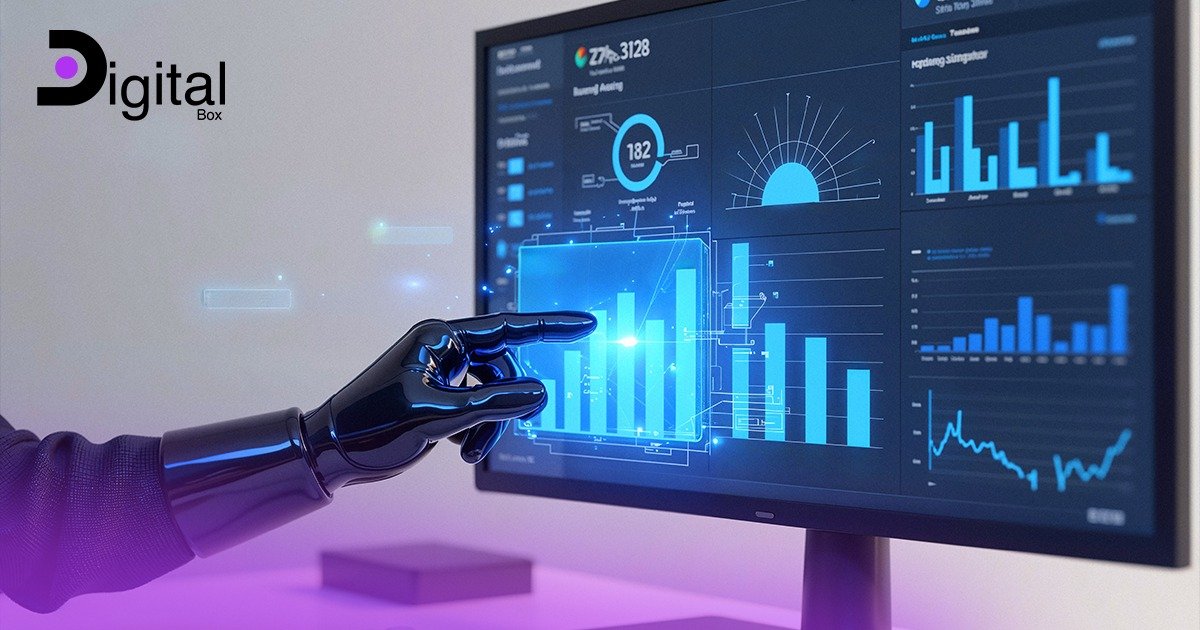
Marketing is no longer about guessing what customers want. Today, data tells the story. With the rise of AI and predictive analytics, brands can now forecast trends, understand behaviour, and plan campaigns with more confidence. Instead of reacting late, marketers can prepare early and stay ahead of competitors.
For digital agencies and marketers, this shift is not optional. It is becoming the standard way campaigns are planned and executed. The key question is not if you should use predictive analytics, but how you should prepare for it.
What Is Predictive Analytics in Marketing?
Predictive analytics examines historical trends in relation to how machines/robots/AI will make contextual predictions based upon these same trends.
For example, when consumers purchase (past behaviour) products and/or services, they do statistically tend to do so again (predicted behaviour). So again, in relation to what products/services they will purchase (predicted actions). Next, predicting future customers’ purchase(s) based on their previous purchases; predicting when consumers use (are engaging) with brands; identifying which advertising will perform better than other advertising; predicting how many leads will end up converting; and when consumers will stop engaging with brand(s). Marketers can then use concrete evidence instead of being reliant on their instincts.
Why Predictive Analytics Matters for Campaigns
Traditional marketing often looks at results after a campaign ends. Predictive analytics changes this by improving decisions before and during a campaign.
Here is how it makes campaigns smarter:
Better targeting
AI can analyse user data and group audiences based on behaviour, not just age or location. The following are the areas that marketers have been able to enhance with advanced analytics techniques:
Identifying the right audience
Understanding how and when to best reach your customers
Optimising advertisement spend
Data-driven decision-making
Overall, predictive analytics allows marketers to move from reacting to trends to anticipating them, which will ultimately help them be more successful.
Important Trends to Watch
Marketers will be able to take advantage of both AI and predictive analytics as they evolve. Therefore, the key for marketers is to recognise these trends as they occur.
1. Personalisation Will Become Predictive
Personalisation is already common, but predictive personalisation is the next step. AI will not only respond to user actions but will anticipate them.
For example:
Before customers start searching for products, marketers are able to show them advertisements for those products. They will use AI to predict the likelihood that a customer will be interested in a product and email the customer after predicting their interest. Marketers will also be able to customise their website content based on what they believe the customer is interested in purchasing.
Marketers need to prepare for this by gathering and structuring customer data properly and utilising tools that provide dynamic content.
Forecasting customer journeys will help marketers understand where customers are in their buying journey (i.e., whether a customer is exploring, ready to buy, or going to leave). Marketers will be able to tailor the content they send customers based on where the customer is in the journey. Instead of sending out general advertisements, customers will receive content that is targeted and relevant to them.
Marketers will need to prepare for this by outlining the steps that their customers will go through, as well as connecting their analytics tools to their customer relationship management (CRM) system.
Using AI for budgeting will allow marketers to forecast which advertising channels will produce the best return-on-investment for them prior to allocating their budget. Once the budget has been allocated, rather than splitting the budget equally, AI Predictive Analytics: Forecasting Trends for Smarter Campaigns will guide marketers to allocate their budget based on the predicted likelihood of converting.
To illustrate:
– Increase the budget on media channels that have a high likelihood of converting
– Decrease the budget on media campaigns that are not producing results
As predictions are made, marketers will be able to adjust and reallocate their budget, as necessary.
Marketers will have to prepare for this by tracking the performance of their advertising channels to ensure they are getting the best return on investment and by testing AI-based advertising tools.
2. Smarter Content Strategy
Predictive analytics can also guide content creation. AI can analyse which topics, formats, and headlines perform best and forecast what type of content will work in the future.
This helps with:
- Blog topic selection
- Video and social media planning
- Seasonal campaign timing
Marketers should prepare by keeping content performance data organised and using analytics tools that connect content with results.
5. Churn and Retention Prediction
AI can predict which customers are likely to stop engaging. This gives marketers a chance to act before it happens.
For example:
- Sending special offers
- Providing personalised support
- Adjusting messaging
Marketers should prepare by building retention strategies that work alongside predictive tools.
Challenges Marketers Must Be Ready For
While predictive analytics offers strong benefits, it also brings challenges.
Data quality
AI depends on accurate data. Poor or incomplete data leads to poor predictions. Marketers must ensure data is clean and consistent.
Privacy and compliance
With stronger data use comes stronger responsibility. Marketers must follow privacy laws and be transparent about data usage.
Skill gaps
Not all marketing teams understand data analysis or AI tools. Training and collaboration with technical teams will be necessary.
Over-reliance on automation
AI should support decisions, not replace human creativity. Strategy and storytelling still need human input.
Preparing for these challenges is as important as adopting the technology itself.
How Marketers Can Prepare Now
To stay ready for the future of predictive marketing, marketers should focus on these steps:
- Build a strong data foundation
Collect meaningful data from websites, social platforms, and campaigns. - Use AI-powered marketing tools.
Start with tools that offer forecasting, audience insights, and automation. - Invest in analytics skills.
Learn how to interpret data, not just read dashboards. - Test and optimise continuously
Run small predictive campaigns and learn from the results. - Balance AI with creativity
Use predictions to guide strategy, but keep human ideas at the centre.
Conclusion
Predictive Analytics and Artificial Intelligence are changing the game for marketing campaign planning. Marketers no longer need to guess what is going to trend. They can use predictive analytics to predict what will be trending. They can use predictive analytics to create personalised audiences at scale.
For digital agencies and marketers, the future belongs to those who combine data and creativity. Predictive analytics is not simply a tool for creating better campaigns. Predictive analytics will be a fundamental principle in creating smarter, more effective campaigns.
By leveraging predictive analytics today, marketers will not only improve performance but also create deeper, more meaningful connections with their target audience.