No products in the cart.
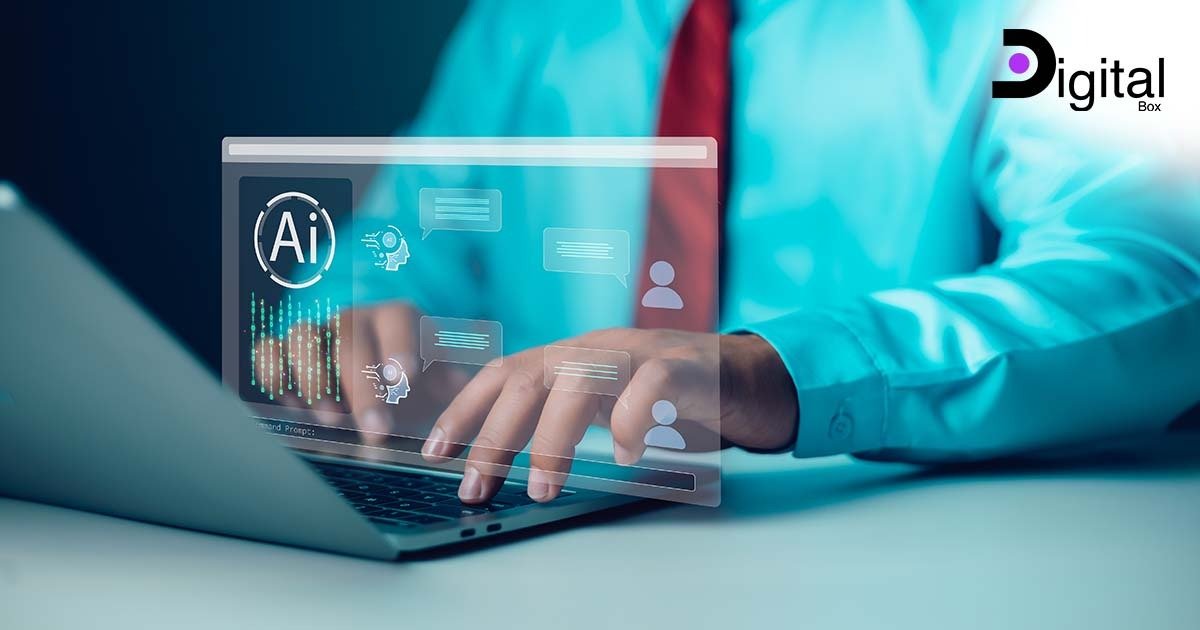
This You will be thinking AI in marketing, really? how? Let’s start with examples. Have you ever used Netflix? It suggests movies or series according to your interests. This is AI in marketing
AI is helping marketers do the job that takes hours to do in minutes.
Some businesses view it as a backlog, but you should take it as an opportunity to elevate your business.
Current role of AI in marketing
Currently, marketers are using AI platforms like HubSpot, Constant Contact, and Mailchimp to automate tasks and optimise campaigns. This adoption is not only making their work easier but also giving outstanding results.
While the use of Artificial Intelligence is doing its best work, there are still challenges due to a lack of:
- Education and training
- Awareness or understanding
- Strategy
- Talent with the right skill test
- Investment of both time and financial resources
Power of predictive analytics
Predictive analytics, the power of machine learning algorithms, allows marketers to analyse customer behaviour and anticipate market trends with remarkable accuracy. By analysing historical data and datasets, businesses can make informed decisions about their marketing initiatives.
Chatbots and virtual assistants
Advanced chatbots and assistants are able to handle customer queries, recommend products, and complete transactions in real time. They, virtual assistants, can personalise the shopping experience by identifying products in images and informing customers about similar items they might like.
Artificial Intelligence Marketing Tools
The most tools used for marketing these days are:
ChatGPT
IT helps in building chatbots for e-commerce sites and social media platforms, generates leads and personalised email campaigns based on consumer behaviour and interests, creates social media campaigns, and assists customers in brainstorming ideas.
Copilot for Microsoft
It generates ideas, drafts marketing plans and blogs, and creates social media posts.
Gemini for Google Workspace
It helps in crafting messages, evaluates large amounts of information, summarises documents, and automates regular tasks.
Jasper AI
It generates content and data analysis, analytics, and insights.
HubSpot
It helps in attracting leads through ad campaigns and landing pages, manages social media accounts, personalises marketing content, and tracks marketing progress.
Optmyzr
It offers pay-per-click management.
Synthesia
It helps in creating video, personalising campaigns, and creating training content.
Future Outlook of AI in Marketing
The future of marketing will be shaped by deeper Artificial intelligence integration. We’re moving toward hyper-personalisation, where every customer’s journey will feel unique.
Voice and Visual Search
It will change how people shop, and marketers will adapt by optimising campaigns for AI-driven search tools.
AI-generated ads and creatives
It will allow businesses to produce high-quality campaigns at scale, saving time and cost.
Emotion AI
This will analyse customer sentiment from voice, text, or facial expressions, helping brands respond with more empathy.
Ethics and Risks of AI in Marketing
To ensure AI is protecting users’ rights and privacy and is used responsibly, companies will need to establish clear policies and guidelines.
Data privacy
The first ethical concern about the use of AI in marketing is data privacy. Artificial intelligence systems rely on consumer data to personalise user experience, but there is concern about how data is used and misused.
Businesses will need to have clear policies about data to protect their privacy.
Bias in Algorithms
AI models are trained on datasets to learn certain patterns and make decisions. A model trained on specific data and then used on some other data can cause bias and thus damage reputations and campaigns.
To remove bias, companies will have to audit their systems and ensure there is no bias.
AI and Marketers: Shaping the Future Together
AI is no longer just a tool, but it’s becoming a vital partner in marketing. From predictive analytics to hyper-personalisation, this will give businesses the power to understand and serve customers like never before. Marketers who embrace AI responsibly, protect customer trust, and keep innovating will lead the next era of business growth. The future of marketing is not AI versus humans, but it’s about AI and humans working together